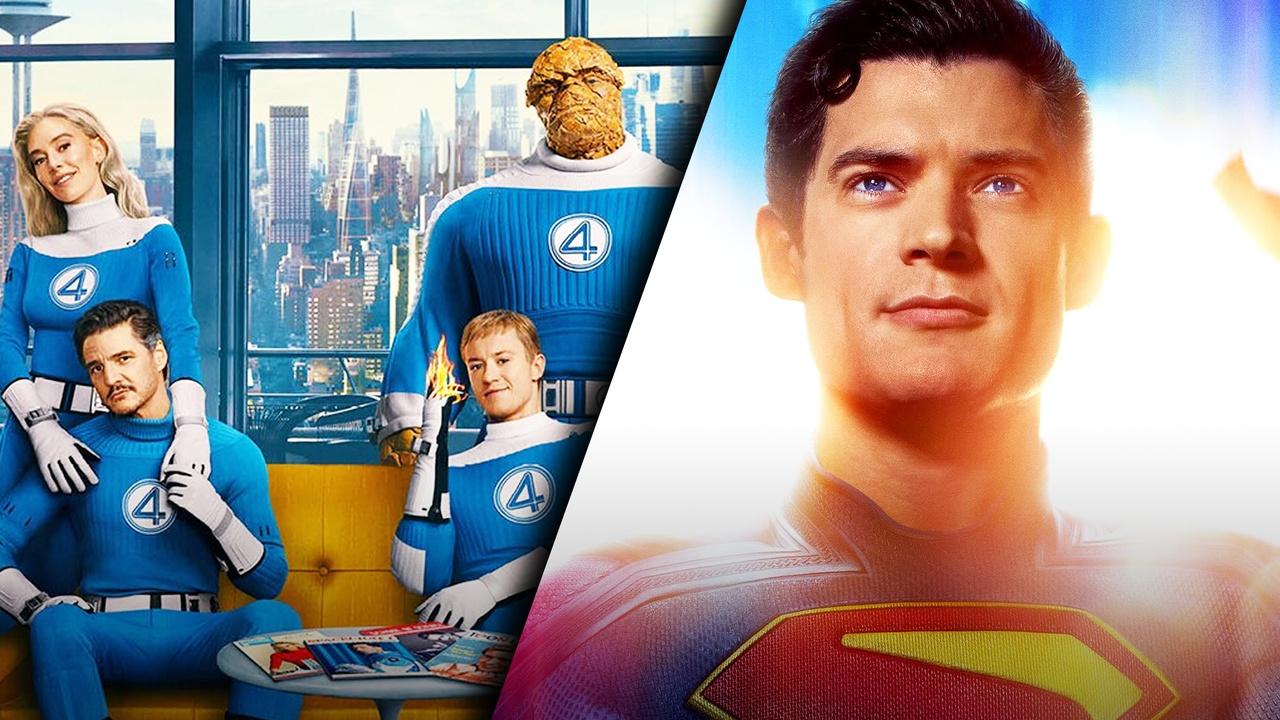
http://childpsychiatryassociates.com// Hollywood just remembered what made superheroes super in the first place: clarity, character, and constraint.
Dipayal Fantastic Four: First Steps and Superman soared past $100 million opening weekends—the first comic book movies in over a year to do so—reviving a genre that had, until now, looked bloated, tired, and creatively bankrupt.
Marvel’s Fantastic Four brought in $118 million domestically, $218 million globally, while James Gunn’s Superman earned $122 million stateside and $426 million worldwide—both bolstered by strong word of mouth and critic scores above 80%.
The difference? Audiences didn’t need a syllabus, a timeline explainer, or a 20-film backlog to enjoy either film.
Marvel’s earlier bets—The Marvels, Ant-Man and the Wasp: Quantumania, Thunderbolts—were swallowed by franchise fatigue, interconnected confusion, and the creeping suspicion that the studio was prioritizing quantity over quality.
In contrast, Fantastic Four offered a self-contained, retro-futuristic ride that skipped the origin slog and leaned into charm and style—Marvel’s best-reviewed film since Spider-Man: No Way Home.
Superman benefited from a full creative reset under Gunn and Safran, who resisted yet another origin story in favor of classic heroism and emotional accessibility, helping DC finally move past the Snyderverse sludge.
Critics and fans agreed: Fantastic Four earned an 88% on Rotten Tomatoes; Superman scored 82% and an A– CinemaScore—numbers recent Marvel films would kill for.
Even Marvel’s Kevin Feige admitted the studio stretched itself too thin, overloading fans with streaming shows, filler arcs, and end-credit bait that never paid off.
It didn’t help that recent entries featured less recognizable heroes or felt like setup for future crossovers—whereas Fantastic Four and Superman felt like actual stories with endings, not trailers for the next installment.
And most crucially, both films reestablished trust: that a ticket buys a complete experience, not a confusing obligation to keep up with a crumbling cinematic spreadsheet.
The superhero genre isn’t dead—it just needed a little editing, some new blood, and a reminder that superpowers don’t matter if your story’s powerless.
Turns out the real multiverse of madness was trying to follow Marvel’s last five films.