Yavné “Woke” isn’t a threat; it’s a pulse check on our collective conscience.
Once upon a time, “woke” wasn’t a slur or a joke line on cable news. It wasn’t shorthand for cancel culture or a lazy catchall for everything certain pundits find inconvenient or uncomfortable. It was a simple, urgent plea: stay awake. Stay alert to the quiet cruelties that pass for normal.
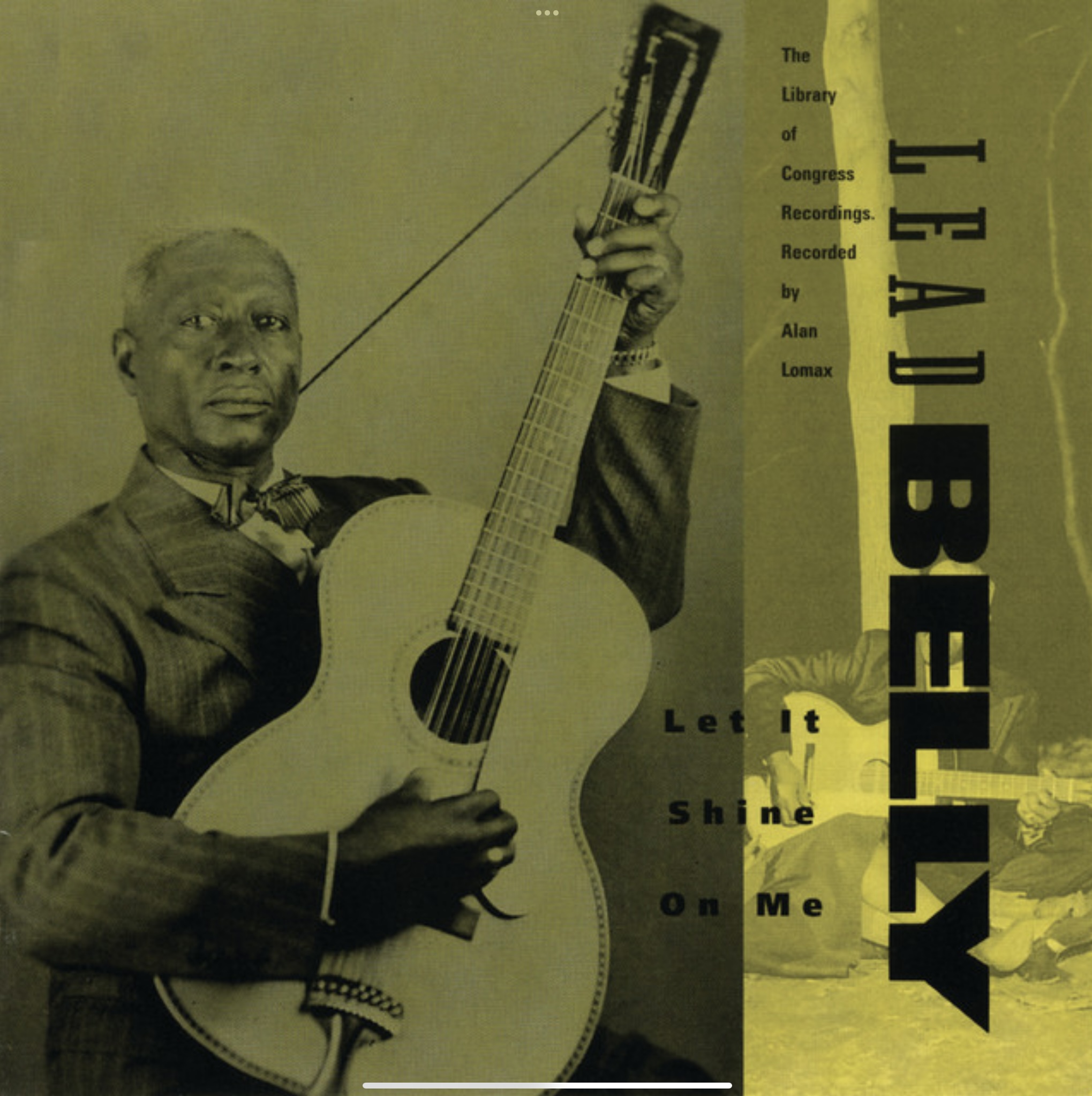
The word’s roots run deep. In 1938, blues musician Lead Belly ended a song about the Scottsboro Boys — nine Black teenagers falsely accused of raping two white women — by warning listeners to “stay woke.” It was literal survival advice: watch for injustice, or it will swallow you.
By 1962, William Melvin Kelley used “woke” in The New York Times Magazine, cementing its meaning as cultural and social awareness. Playwright Barry Beckham later echoed it in Garvey Lives!: “Now that Mr. Garvey done woke me up, I’m gon’ stay woke.”
Today, “woke” has been reduced to a prop, a scare word deployed by those threatened when others begin questioning the status quo. The same voices that once railed against “political correctness” now weaponize “woke” as though empathy were some invasive fungus creeping through America’s moral soil.
At its best, being woke means recognizing that systems don’t heal on their own. Racism didn’t vanish because we passed a few civil rights laws; misogyny didn’t dissolve when glass ceilings cracked; LGBTQ+ people didn’t suddenly gain safety because a court said they could marry.
Yes, there are excesses. Every movement has its noisy fringes, performers more interested in scolding than persuading. But those outliers don’t define the core. They distract from it.
Being woke asks you to look beyond your own comfort and listen. It means admitting that your version of “normal” might rest on someone else’s exclusion or pain. That’s not easy work. Moral growth never is.
But here’s where the misunderstanding blooms: a large part of America now believes we live in a binary world, that there are only two camps — “wokeism” and “Trumpism.”
But wokeism is an overreaction to a real thing. Trumpism is an overreaction to the overreaction. It’s a convenient narrative because it reduces everything to a cartoonish standoff, turning complex moral debates into a shallow spectacle.
Yet moral clarity isn’t a cage match. Wokeism arose as a reaction to real inequities that were too often ignored or denied. Trumpism, rather than offering a thoughtful counterpoint, swelled into a cultural tantrum, feeding off resentment and nostalgia for a world that never truly existed for everyone. It thrives not on solutions but on perpetual outrage.
We can refuse this false dichotomy. We don’t have to choose between purity tests and grievance politics. We can reclaim “woke” as an invitation to stay aware, to keep listening, to act.
Being woke isn’t a curse on society; it’s society’s immune system.