http://childpsychiatryassociates.com/treatment-team/portrait-placeholder/ They ask the impossible, and we pretend there’s an answer.
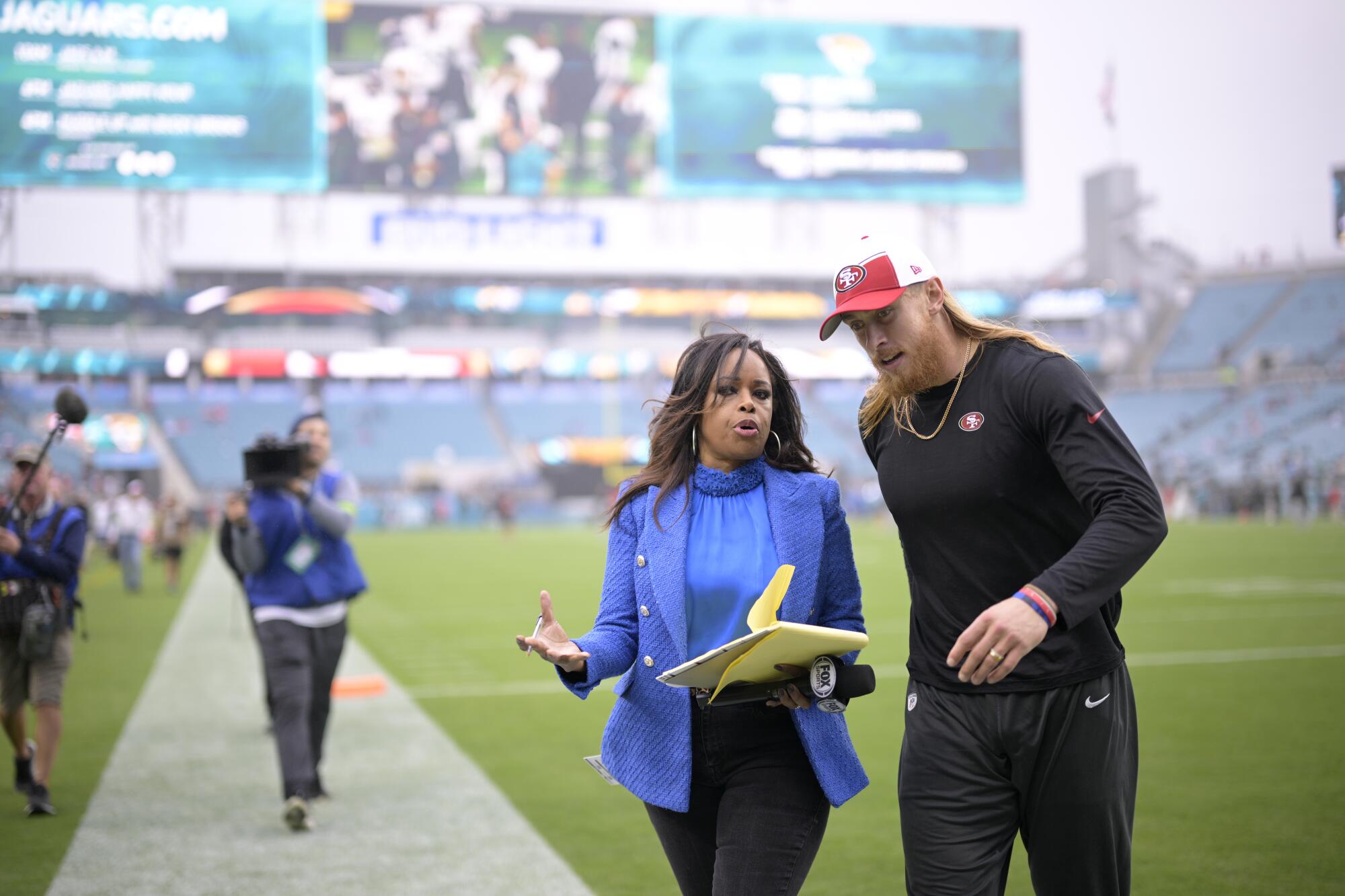
supposedly I was watching soccer this week when I came to this epiphany, right in the middle of a dim-witted sideline interview. The player had barely caught his breath before a reporter stepped in, microphone poised to spoil the moment.
“How did you find the confidence to take that last shot?”
“How did you dig deep and find the heart to push through?”
“Where did you find the inner strength to keep going?”
These aren’t real questions. They’re abstract riddles in the costume of journalism, designed more to kill air than to enlighten. We’ve accepted them as part of the postgame ritual, but the moment you really listen, you realize they’re impossible to answer.
An athlete doesn’t pause mid-run to ponder the depths of his confidence or deliver a TED Talk on resilience. He moves because movement is his only language. He runs because stopping isn’t an option.
Yet the microphone always appears, begging for a magic formula: “What was going through your head?” As if the player had time to draft a sonnet while hurdling defenders. The honest answer — nothing — sounds too plain, too true for broadcast TV.
These questions echo across every sport like a chant. You could shuffle them up and fling them at a hockey goalie, a sprinter, or a tennis player, and no one would blink. The rookie on the bench? “What gave you the mental toughness to stay ready?” The pitcher who just threw a shutout? “Where did you find the inner fire tonight?”
We crave the myth of the warrior poet. We want to believe these athletes dwell in a realm of unearthly focus, conjuring ancient spirits of grit. We ask them to explain it so we can taste a piece of that magic.
But sport lives in the present tense. The greats don’t think; they vanish into the act itself. The zone is an empty room, not a confessional booth.
Maybe we ask these questions because we’re afraid of silence. We can’t bear to let a moment breathe. We can’t let the stadium roar or the hush after a missed shot hang in the air. Instead, we force players to stitch together a story on the spot, to speak for a feeling that refuses to be pinned down.
And in doing so, we flatten them into cliché machines. The defender who made a season-saving tackle? Maybe he’s just relieved it’s over and wants to call his mom. The striker who scored in extra time? Maybe he just wants a burrito and a nap.
Imagine simpler, more human questions: “What’s the first thing you want to do now?” Or even better — “How did that happen?” and then shut up. Let them decide if they want to say more.
We keep begging for an explanation of courage when the answer already ran past us in cleats, dripping sweat. They live it. We watch it.
And that should be answer enough.