Odenthal The Alaskan Wood Frog – Nature’s Frozen Wonder
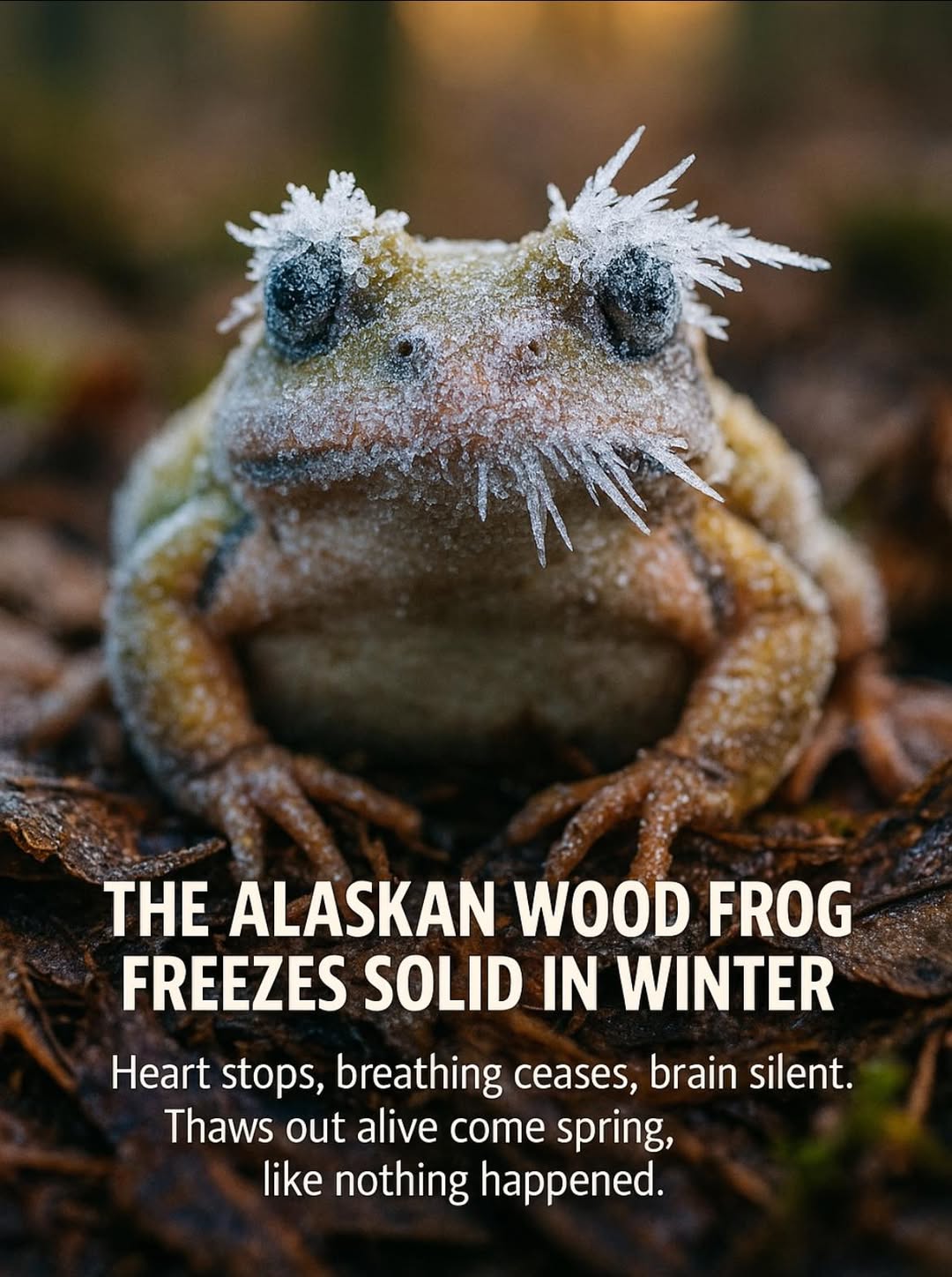
Every winter, the Alaskan wood frog performs one of the most extraordinary survival feats in the animal kingdom.
As temperatures plummet, this small frog doesn’t burrow deep underground or seek shelter. Instead, it allows itself to freeze completely.
Its heart stops beating, lungs cease breathing, and brain activity halts—by all scientific definitions, it’s dead.
But it’s not.
Thanks to a natural antifreeze trick, it floods its cells with glucose, preventing ice from forming inside them. This sugary shield protects its vital organs while the rest of its body freezes solid.
When spring returns and temperatures rise, the frog thaws out—its heart starts beating again, its brain reactivates, and within hours, it’s hopping around like nothing ever happened.
They didn’t just wear blue—they bled it, for the city and its people.
In a time when too many teams play it safe, the Los Angeles Dodgers did something rare in professional sports: they chose the city over silence.
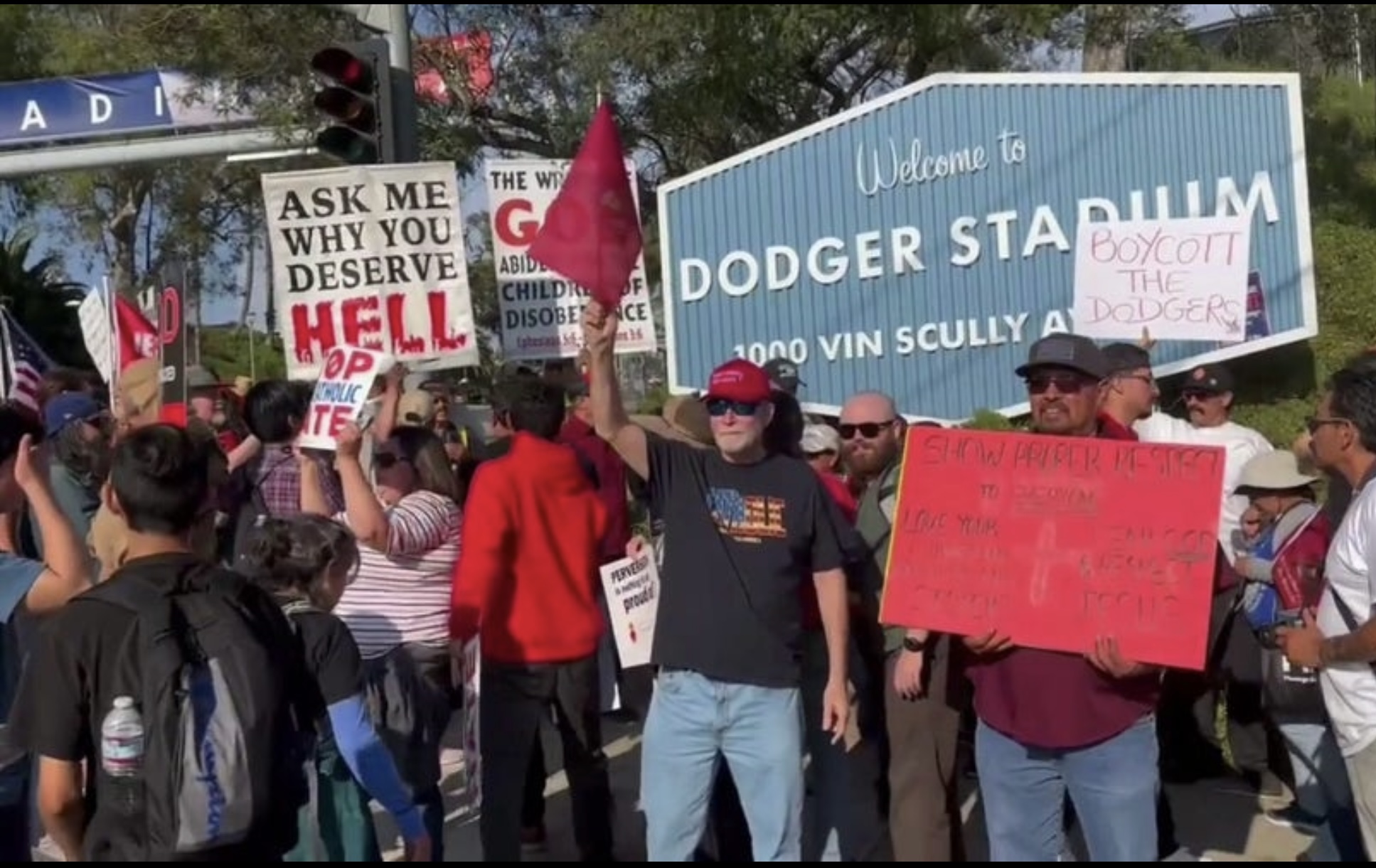
At a confrontation last week in Chavez Ravine, the Dodgers took a stand not just on the field, but in the culture wars swirling far beyond the foul lines. When whispers of Immigration and Customs Enforcement (ICE) agents roaming stadium grounds surfaced—sniffing around for low-wage workers, concession staff, or undocumented fans—the team responded with more than a shrug.
They pushed back.
Through statements, press access, and quiet coordination with immigrant rights groups, the organization made it unmistakably clear: Dodger Stadium is a sanctuary in more than just name. No raids, no detentions, no federal intimidation tactics on their turf. Period.
In a city as diverse and sprawling as Los Angeles—where nearly 40% of residents are foreign-born—this wasn’t a mere PR move. This was a declaration. To the fans in the bleachers. To the workers hawking beers and peanuts. To the custodial crews, the parking attendants, the ticket scanners, the undocumented Angelenos whose fingerprints are embedded in every corner of this city: You are safe here.
It shouldn’t be revolutionary for a sports team to say so. But in this America, it is.
In 2020, the Trump administration ramped up workplace raids and ICE presence in public venues under the guise of “national security,” with professional stadiums becoming high-profile targets. Stadiums in Atlanta, Phoenix, even Denver reported surges in federal agents combing through employee rosters. The result? Absentee staff. Vanished workers. Fear in the very bones of the buildings that were supposed to bring joy.
The Dodgers remembered their roots.
They remembered Fernandomania in the ’80s, when Fernando Valenzuela made Dodgers caps a common sight in Boyle Heights and East L.A. They remembered the kids who came to games with their abuelos. They remembered that Dodger Stadium itself was built on the ruins of Chavez Ravine—an act of eminent domain that displaced generations of Mexican American families. And this time, they weren’t going to let government power trample their people again.
When ICE made noise about inspections, the Dodgers didn’t just close the gates—they opened a door. Team officials coordinated with local lawmakers and rights groups to ensure all stadium workers, documented or not, had legal support. They didn’t ask for birth certificates. They offered backup.
You want patriotism? That’s it. Not the kind that wraps itself in flags while turning its back on neighbors—but the kind that says no one gets left behind at the ballpark.
What the Dodgers did was an act of moral clarity. And it shouldn’t be rare.
Other teams take pride in “community nights” and rainbow-colored merch in June. They hashtag themselves “For the City.” But when it comes to action, too many fold under the pressure of sponsors, leagues, or lobbyists.
The Dodgers proved there’s room to win games and take a stand. That civic courage and corporate success aren’t mutually exclusive. That a team can say “no” to federal overreach without saying “no” to America.
Because maybe the most American thing you can do is protect the people who make this country run—quietly, daily, without fanfare.
The Dodgers did that. And they didn’t need a rally or a walkout or a photo op.
They just said no.
Turns out, the home team still knows how to defend its turf.