judicially Here are some sharp, strange, and true FactSlaps about Friday the 13th—the day, the fear, and the franchise:
• Triskaidekaphobia is the fear of the number 13. The more specific fear of Friday the 13th is called paraskevidekatriaphobia—a word that sounds cursed just trying to pronounce it.
• The origins of Friday the 13th fear are murky, but one theory traces it to October 13, 1307, when hundreds of Knights Templar were arrested and tortured by order of France’s King Philip IV. It was a Friday.
• Statistically, Friday the 13th is no more dangerous than any other day—yet American businesses lose $700 million to $900 million in productivity every time it rolls around, due to canceled meetings, flights, and general avoidance.
• Many buildings skip the 13th floor, airports skip Gate 13, and some cities skip 13th Street altogether. Superstition still builds modern architecture.
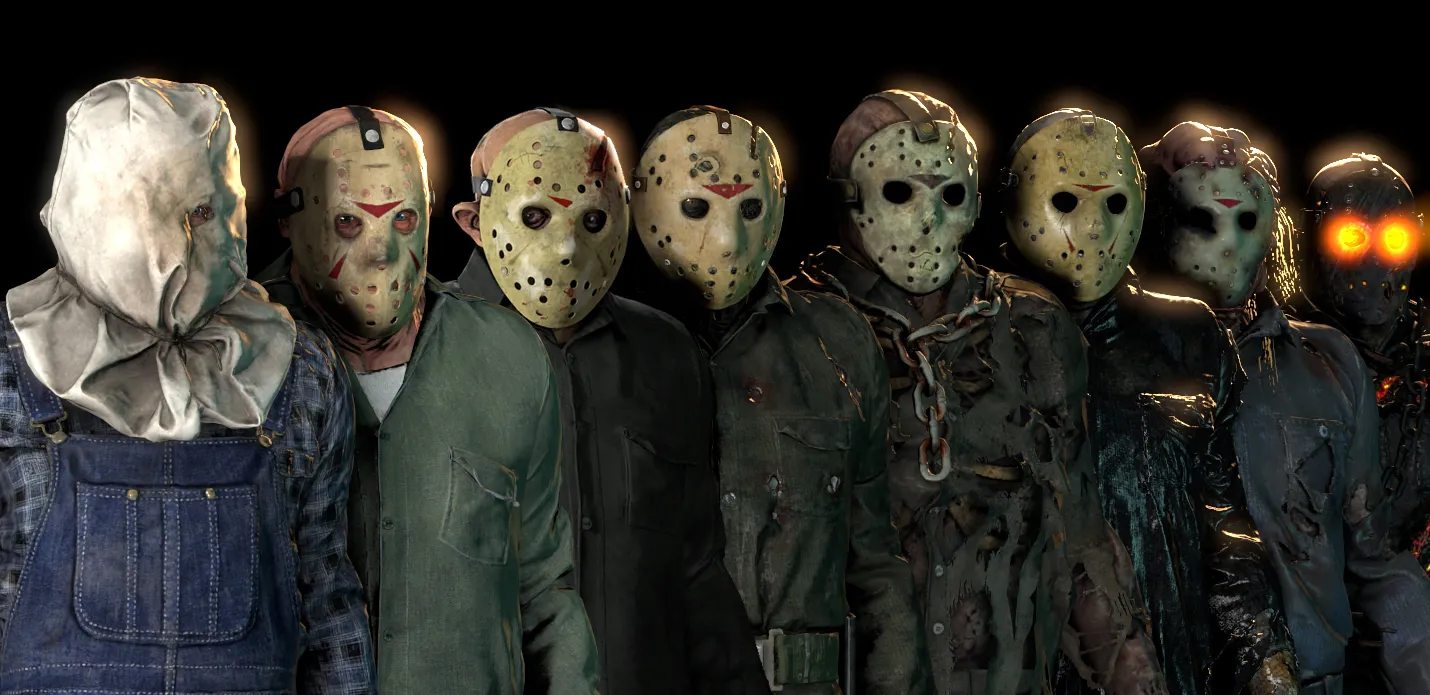
• The Friday the 13th film franchise—starting with the 1980 slasher—has grossed over $1.1 billion (adjusted for inflation), making it one of the most profitable horror franchises ever. Jason Voorhees may wear a mask, but he’s laughing all the way to the bank.
• In Finland, they mark every Friday the 13th with a National Accident Day, promoting awareness for workplace and traffic safety. Only the Finns could make a horror day more boring than terrifying.
• There can be up to three Friday the 13ths in a year, but there is at least one every year—thanks to the Gregorian calendar’s quirks.
• The 13th of a month is more likely to fall on a Friday than any other day of the week. It’s not unlucky—it’s just math.
• The Apollo 13 mission launched at 13:13 Central Time on April 11, 1970. Though not on a Friday, it famously failed after an oxygen tank exploded—cementing 13’s cosmic rep as a number to watch.
• Despite the fear, more people are born on the 13th than any other date of the month. So if you’re superstitious, just remember: the world is full of lucky 13s walking around.
The lines here weren’t mapped— they were stomped in by boots bloodier than yours.
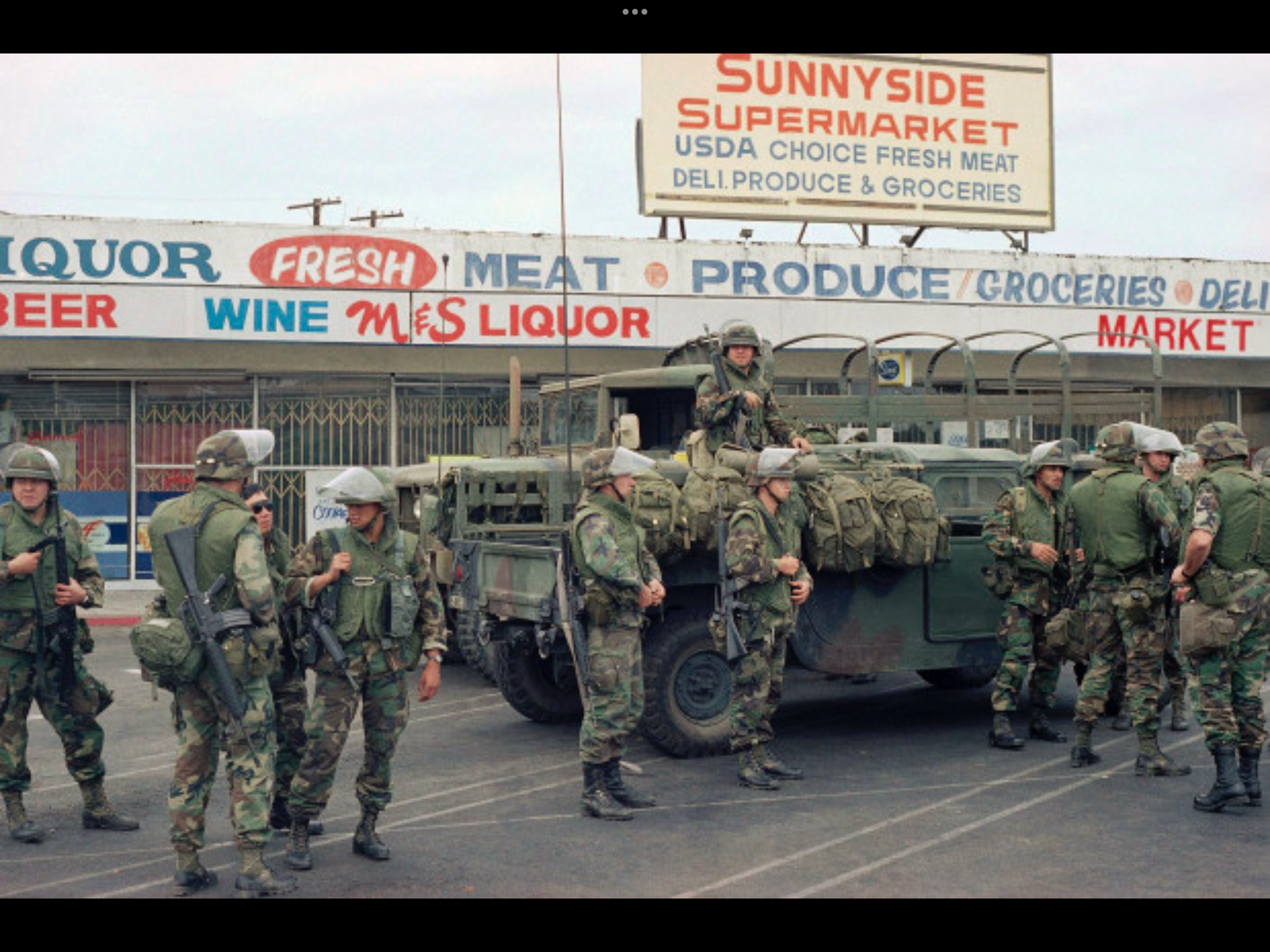
They land like they own it, helmets loud like gold teeth, rifles slung casual, like anyone here asked for backup.
They don’t know these streets— never felt the heat of tar melt through busted soles, never walked past five kinds of sirens and knew which one meant run.
But here they come— tanks on borrowed pavement, eyes hidden behind mirrored glass, asking questions with fingers resting too easily on triggers.
Some call it order. Some call it safety. But we’ve seen order. It has a leash. It has a badge. It speaks in citations, not checkpoints.
Here, safety’s a neighbor who watches your door while you sleep. Not a camo-slick stranger who thinks every kid with a backpack is one bad day away from headlines.
We live here. We bleed here. And we don’t salute for free.
This city— if you want to call it that— doesn’t scare easy. It’s been broken by things far quieter than you.
And when you’re gone— and you will be gone— we’ll still be here, sweeping glass off stoops, shaking ash from our hair, teaching our kids not to flinch at tremors.
If I hear “Big Beautiful Bill” much more, I’m going to have a big, beautiful barf.
The phrase is everywhere now. It’s in press releases. Cable news. Op-eds. Podcasts. Even the jokes—especially the jokes—can’t stop repeating it.
And that’s exactly the problem.
This isn’t just about language. It’s about psychology. Specifically, the illusory truth effect—a well-documented phenomenon in cognitive science. The more you hear a phrase, the more familiar it feels. The more familiar it feels, the more likely your brain is to believe it.
Even if you know it’s false.
The Trump movement understands this. They’ve weaponized it for years, from “witch hunt” to “fake news” to “Kung Flu.” Say it, repeat it, laugh at it, meme it—just keep it moving. That’s the game. And now they’ve loaded it into legislation.
The One Big Beautiful Bill Act isn’t just a name. It’s a trap. It’s branding disguised as governance. And every time we echo the phrase—whether we’re mocking it or dissecting it—we reinforce it. That’s how illusory truths work: sarcasm still counts. Repetition is repetition.
So let’s call this bloated legislative creature what it is: the Megabill.
Because it’s massive. It’s packed with policy. And it’s laced with poison.
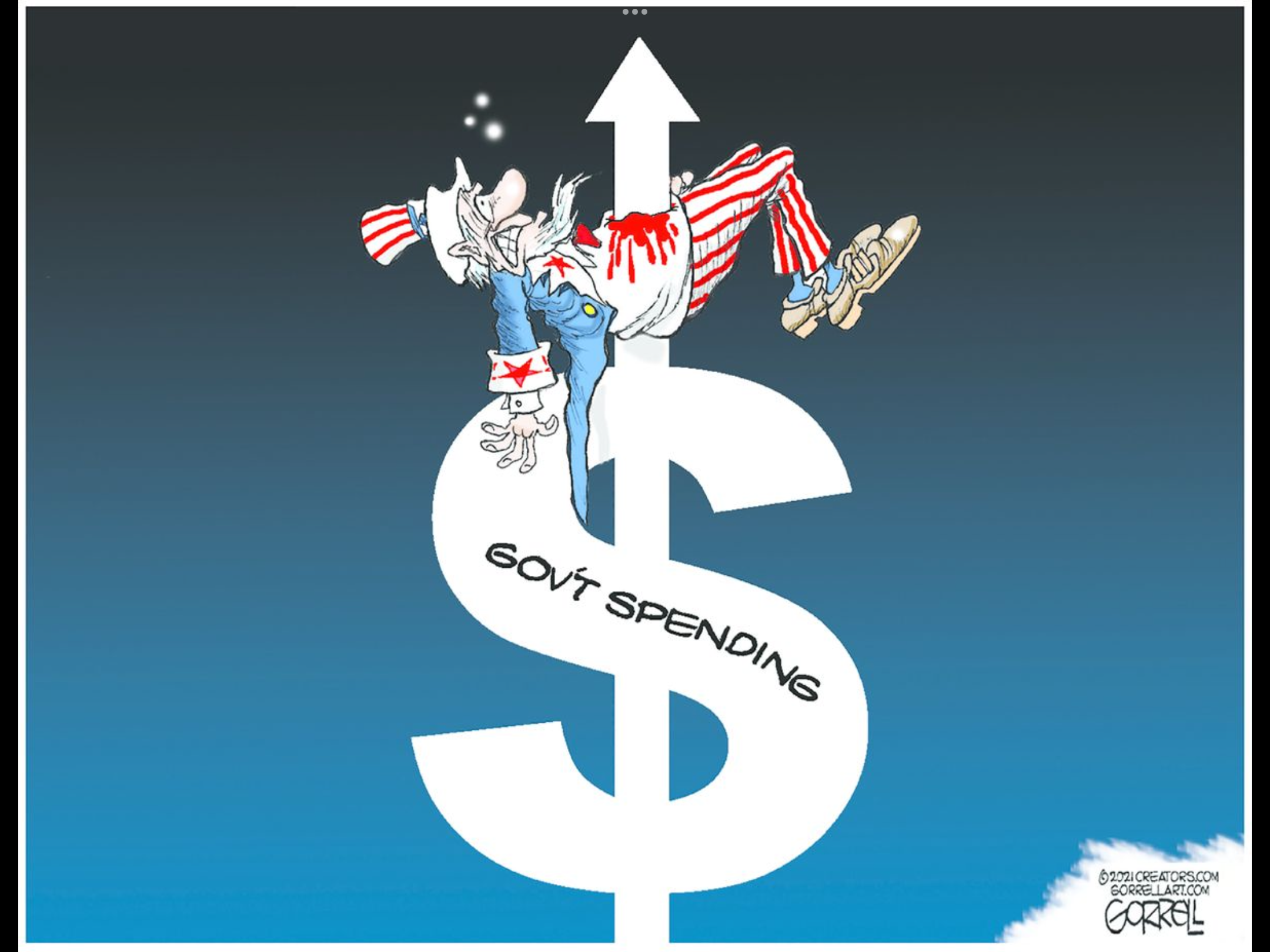
Start with the numbers. The Megabill clocks in at over $2.6 trillion, a Frankenstein of tax breaks for corporations, spending cuts for the poor, and gimmicky offsets for a debt ceiling that somehow keeps rising. The bill slashes EV tax credits. It imposes new work requirements on Medicaid. It greenlights oil leases and weakens environmental review. It’s the legislative equivalent of a vending machine for donors—and a locked cabinet for everyone else.
And yet all we keep hearing is how big and beautiful it is.
That phrase didn’t just appear. Trump and his House allies wrote it into the title. Formally. On purpose. As if policy didn’t matter—only branding did. Because, in their political calculus, that’s not just an insult. It’s a strategy.
And it works.
We’ve seen it before. When Trump wanted to discredit the Mueller investigation, he didn’t have to argue evidence. He just called it a “witch hunt”—over and over and over. Within months, the phrase eclipsed the findings. It became the frame. And for many voters, that was the truth that stuck.
Or take “fake news,” which started as a warning about misinformation and morphed, through Trump’s relentless repetition, into a punchline against journalism itself. It was clever. It was simple. It was repeated.
Then came the pandemic. Trump dubbed COVID-19 the “China virus,” then “Kung Flu.” Both racist. Both viral. Both repeated so often that they helped normalize anti-Asian slurs and sparked real-world violence. The repetition worked. Even when it hurt.
And then, in September 2024, came Springfield.
At a debate, Trump claimed—falsely and grotesquely—that Haitian immigrants in Springfield, Ohio, were “eating the dogs, eating the cats.” Local officials immediately debunked it. There was no evidence. But Trump repeated it again. And again. Soon there were bomb threats at schools. Police patrols at shelters. A city under siege from a lie that had been said too many times to ignore.
That’s how the illusory truth effect works. Say anything loud enough, long enough, and even the absurd becomes ambient. Even the disgusting becomes debate.
Which brings us back to this bill.
The Big Beautiful Bill is not big for working families. It is not beautiful for the climate. It is not a bill that anyone outside of a donor circle should celebrate. It is a wrecking ball painted gold.
But every time it’s repeated—especially by critics—it gains ground. Every repetition, no matter how ironic, becomes another thread in the flag.
So here’s the fix: stop saying it.
Mention it once if you must, as a quote. Attribute it to Trump, and move on. Do not center it. Do not headline it. Do not hashtag it.
Call the legislation what it actually is—a Megabill. Call it massive. Call it reckless. Call it what it is, not what it’s pretending to be.
Because if we don’t learn to fight linguistic propaganda with linguistic precision, we will lose—not just the messaging war, but the substance underneath it.
We’ve been here before. We’ve seen the damage repetition can do. And if we keep repeating this phrase—even with our tongues in cheek—we’ll be left holding the punchline to someone else’s lie.
The more you say “Big Beautiful Bill,” the more real it becomes—so stop saying it, and start naming what it really is: a Megabill in makeup.