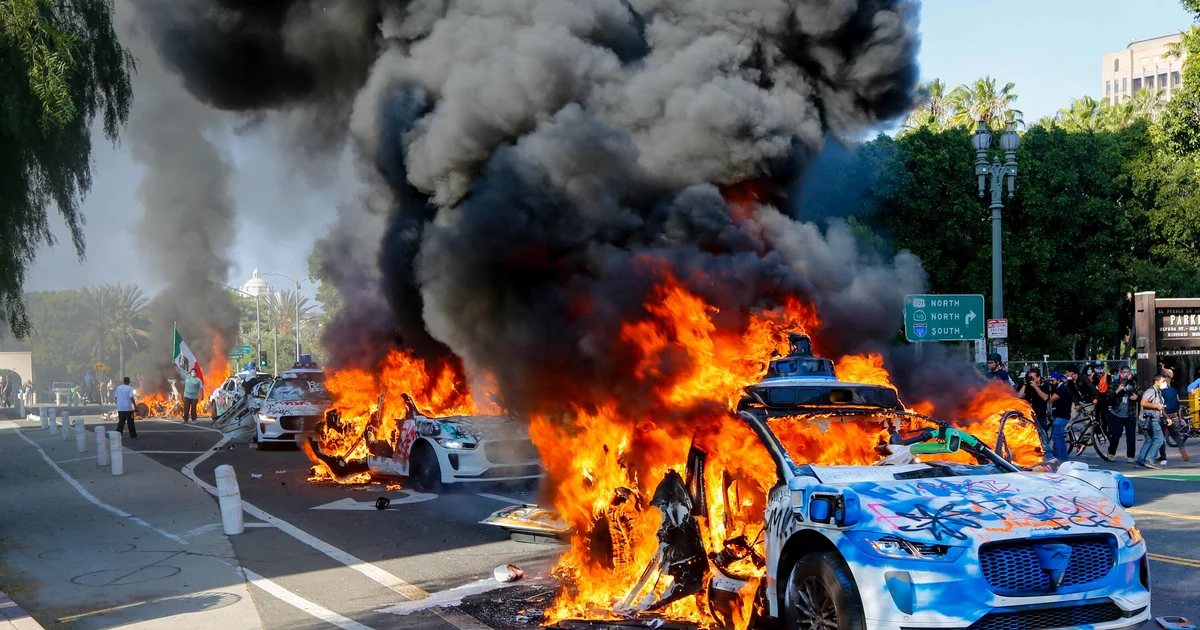
Los Angeles is burning—except it isn’t.
sportfully The problem with journalism—real, boots-on-the-ground journalism—is that it thrives on rupture. It has to. News isn’t about what stays the same; it’s about what breaks. What bleeds. What blows up.
I spent the first fifteen years of my career as a crime reporter, chasing the things that go wrong: the fatal wrecks, the armed standoffs, the splintered windows and scattered evidence tags. It wasn’t just what I did—it was the way I learned to see the world. If the school bus didn’t crash, it wasn’t news.
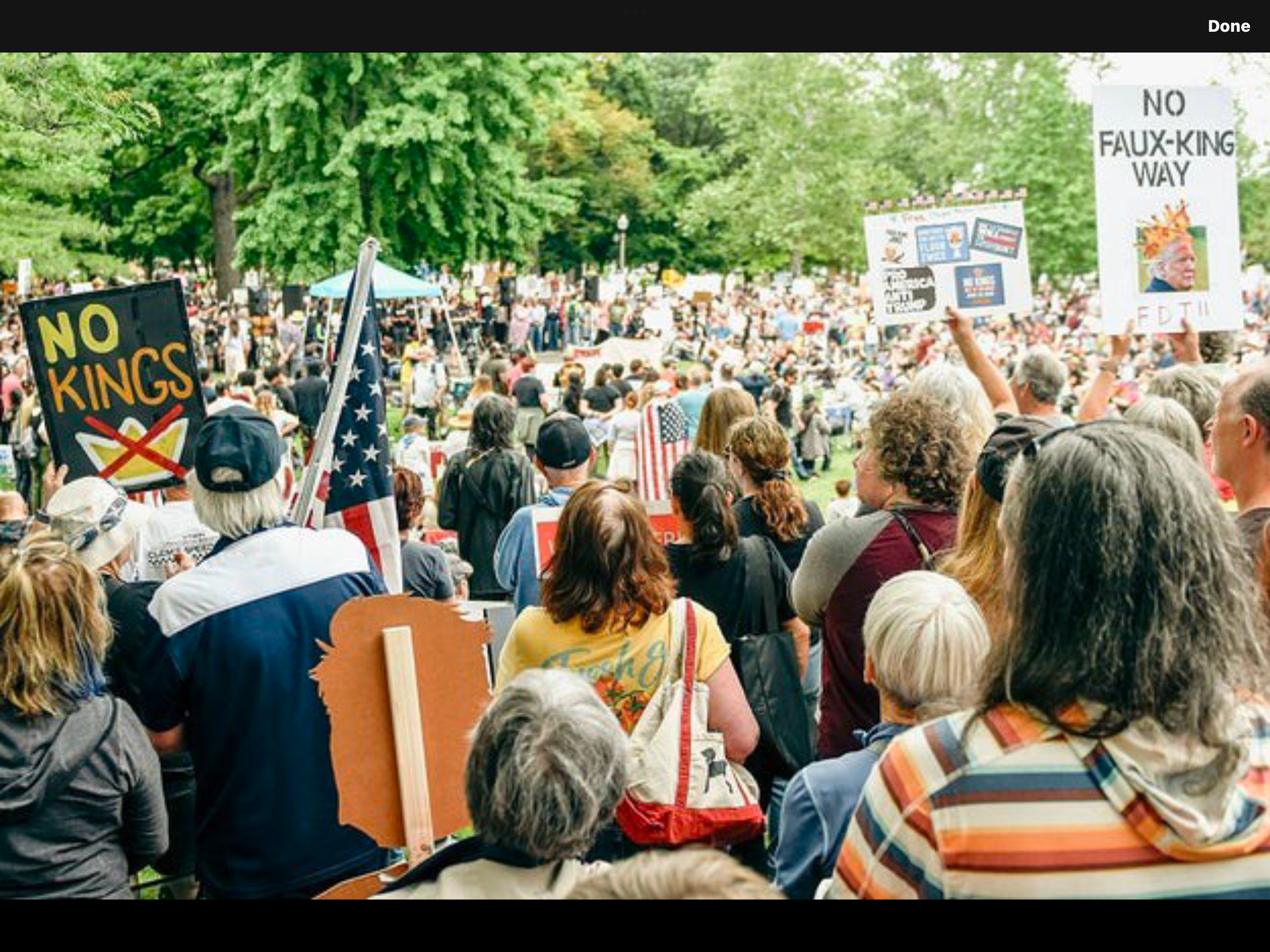
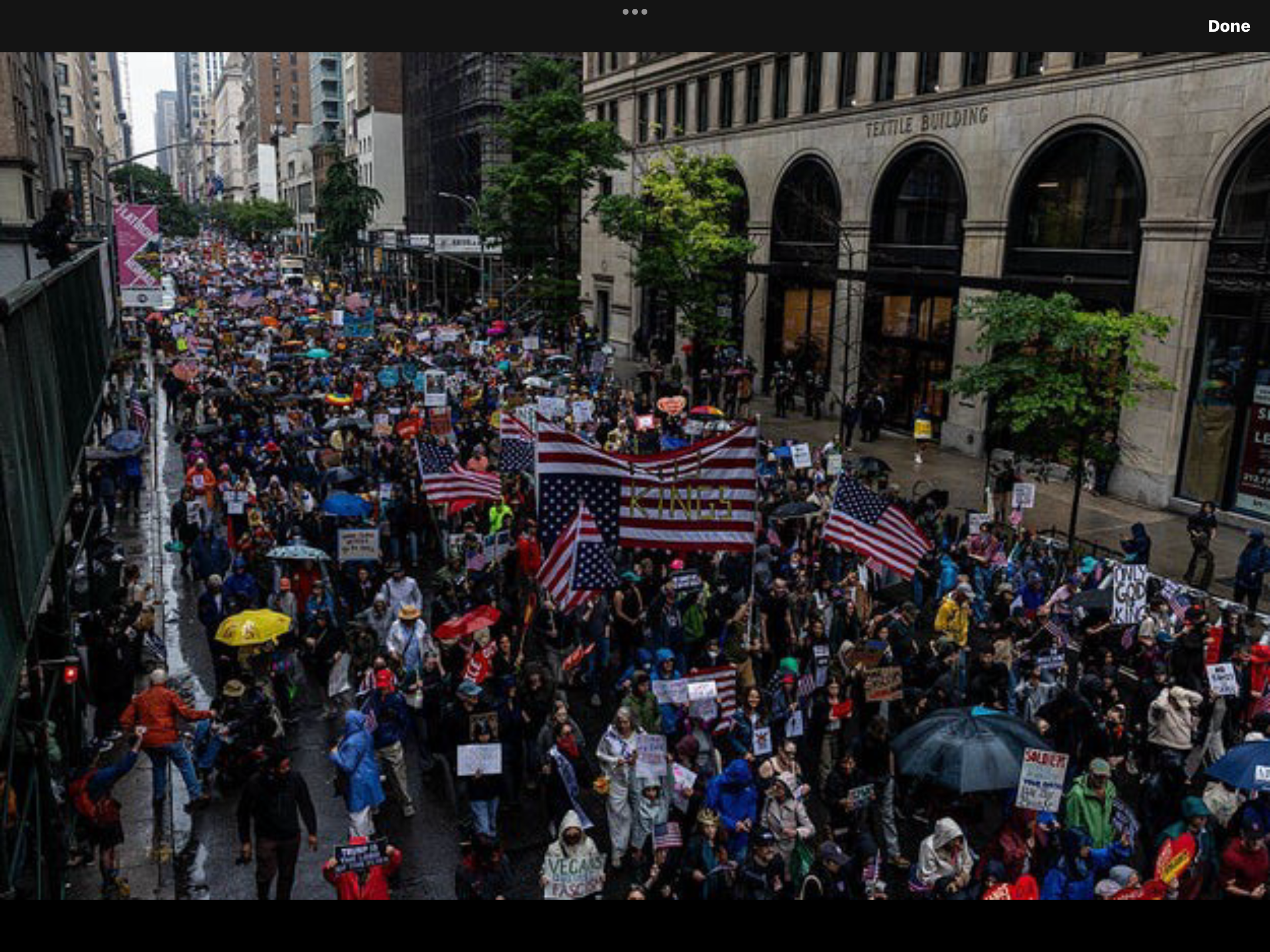
Which is why these protests—small, scattered, and often over before the camera crews can unfold their tripods—feel both familiar and quietly deceptive. They are news, in the literal sense: events, unfolding in real time, often emotional and loud and sometimes chaotic. But the story they are telling the world about Los Angeles is louder than the events themselves.
According to the footage, this is a city on fire. According to the headlines, the social contract here has collapsed. According to the commentary, L.A. has turned into some post-government experiment in lawlessness, as if it were a West Coast version of that Ohio town everyone claims ate its pets during lockdown.
But if you live here—really live here, beyond the flashbulbs and the freeway offramps—you know that version is fiction.
The truth is, ninety-nine percent of this city is unchanged. The walking tours through Beverly Hills still roll. The character impersonators still mug for tips on Hollywood Boulevard. Out in the Valley, dogs are walked, trash is picked up, and kids still ride scooters up and down sunburned sidewalks. L.A., despite everything, doesn’t panic.
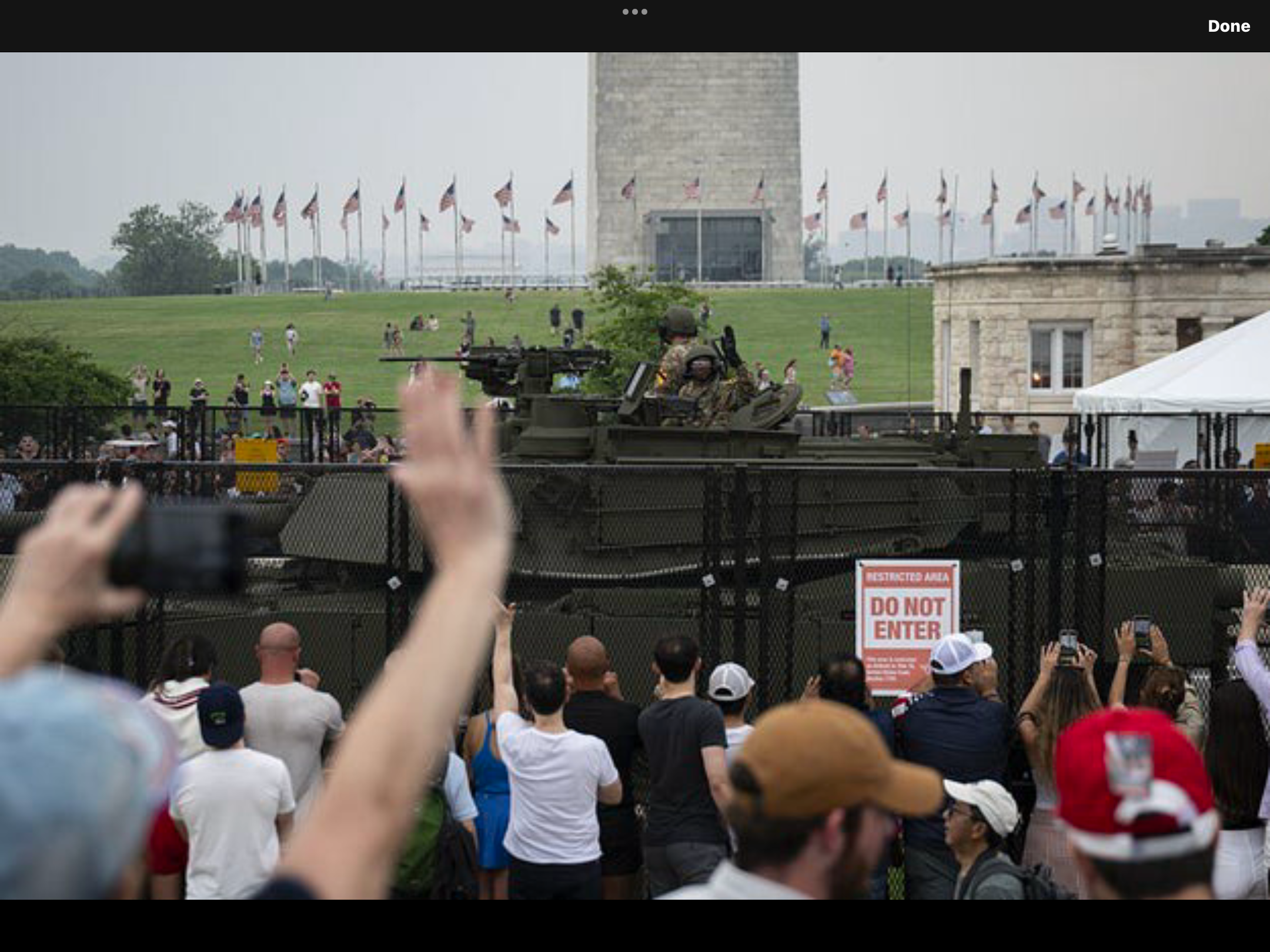
And yet, the footage runs. Protesters clashing with police in a two-block radius near downtown become a symbol for 500 square miles of civilization. Because that’s how cameras work: they compress, they flatten, they amplify the rupture and mute the routine.
But in doing so, they also distort.
The problem isn’t that journalists are lying. They aren’t. The shots of anger and smoke and shouting are real. The problem is that the audience assumes proportion—and proportion is where journalism often fails. When an event is dramatic enough to be filmed, it seems big enough to represent the whole. A handful of protestors can feel like a revolution. One smashed window can feel like the end of civic order.
So what do we do with that? What does a journalist—especially one raised in the trenchcoat era of “if it bleeds, it leads”—do with a city that seems both peaceful and panicked at the same time?
Maybe we update the formula.
Maybe news doesn’t have to mean rupture. Maybe it can mean resonance.
Instead of helicopter shots of sirens and signage, what if we zoom out and show how little these events change the rhythm of the city? What if we told stories that didn’t begin with “violence erupted” but rather with “peace persisted,” even in the face of provocation?
We could offer aerials of protest zones—then pan out to neighborhoods that remain unaffected. We could pair coverage of public outrage with interviews of calm citizens, explaining how they interpret the moment. We could treat protest not just as confrontation, but as communication—imperfect, yes, but not inherently apocalyptic.
And maybe, more radically, we could stop pretending every street march is an existential threat to America.
The cameras will keep rolling, of course. That’s their job. But the framing is ours. The editors, the reporters, the readers—we decide how much weight to give each flame. We decide whether to let a few hundred redefine the reputation of four million.
Because Los Angeles is not a banana republic. It’s not an outlaw kingdom.
It’s just a city—vast, flawed, still standing.