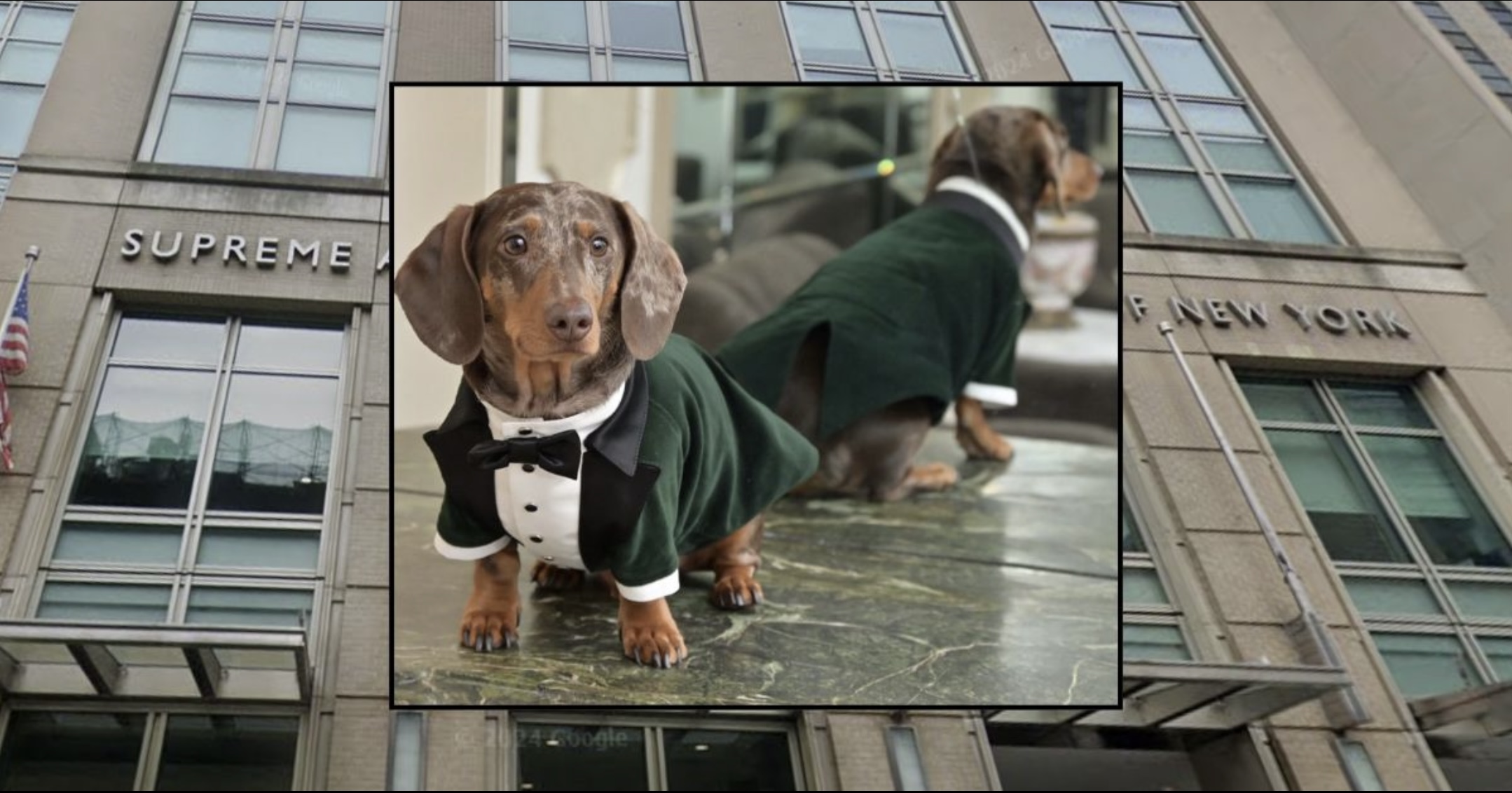
In a decision as unprecedented as it is overdue, a Brooklyn judge has legally recognized what millions of dog owners already know: our dogs are family.
Justice Aaron Maslow of the New York Supreme Court ruled that a dog named Duke—killed by a reckless driver in Brooklyn—was more than property. He was, for legal purposes, an “immediate family member.”
The ruling allows Nan DeBlase, the woman walking Duke on a leash when he was struck, to sue for emotional distress. This kind of lawsuit is normally restricted to those grieving the death or injury of a close relative. The dog’s owner, Trevor DeBlase, was not present at the time of the accident and therefore is limited to compensation for Duke’s market value.
That may sound like a technicality. It’s not. It’s a legal pivot point.
Maslow’s decision subtly but meaningfully breaks from the long-held precedent that pets, no matter how cherished, are property—on the same legal tier as a couch, toaster, or cell phone.
Historically, if someone killed your dog, courts might award you the cost of replacement—typically a few hundred or thousand dollars. That valuation never made sense to those who’ve loved a dog, and Maslow’s ruling seems to acknowledge that truth.
What makes this ruling even more striking is its restraint. Maslow didn’t declare that all pets are legally family. He didn’t open the floodgates to pet-related lawsuits or emotional damage claims from afar.
Instead, he made a narrow, careful decision: when a person is within the “zone of danger” and witnesses the violent death of a leashed dog in their care, they may seek damages as if they lost a loved one. Because in that moment, they did.
The decision reflects a broader legal trend. In recent years, courts have started treating animals more like sentient beings and less like things. Divorce courts have granted shared custody of pets.
Legislatures in several states, including California and Illinois, have passed laws allowing judges to consider a pet’s well-being in custody disputes. Even estate laws have begun adapting, with more Americans leaving trust funds for their pets.
But this ruling cuts deeper. It recognizes that emotional trauma is real—and that the bond between a person and their dog can rise to the level of kinship. It’s an acknowledgment that grief isn’t limited by species, and that the legal system can and should evolve with culture.
Not everyone is on board. Critics, including some conservative legal groups and representatives from the American Kennel Club, warn this could open the door to frivolous lawsuits or inflated emotional claims. But Maslow’s decision threads that needle. It sets a precedent without unleashing chaos.
For dog lovers, especially those who’ve ever walked their companion down a city sidewalk, the implications are profound.
The ruling says something we’ve whispered through tears and shouted through joy for generations: dogs are not objects. They are partners. Friends. Family.
New York’s legal system has taken the first step toward honoring that trust. Let’s hope others follow.
This isn’t just about Duke. It’s about every Jadie. Every Charlie. Every leash held in quiet trust.