http://childpsychiatryassociates.com/?p=1892 Double the De Niro, half the movie.
The Alto Knights stacks the deck with two Robert De Niros but forgets to deal the audience anything worth playing.
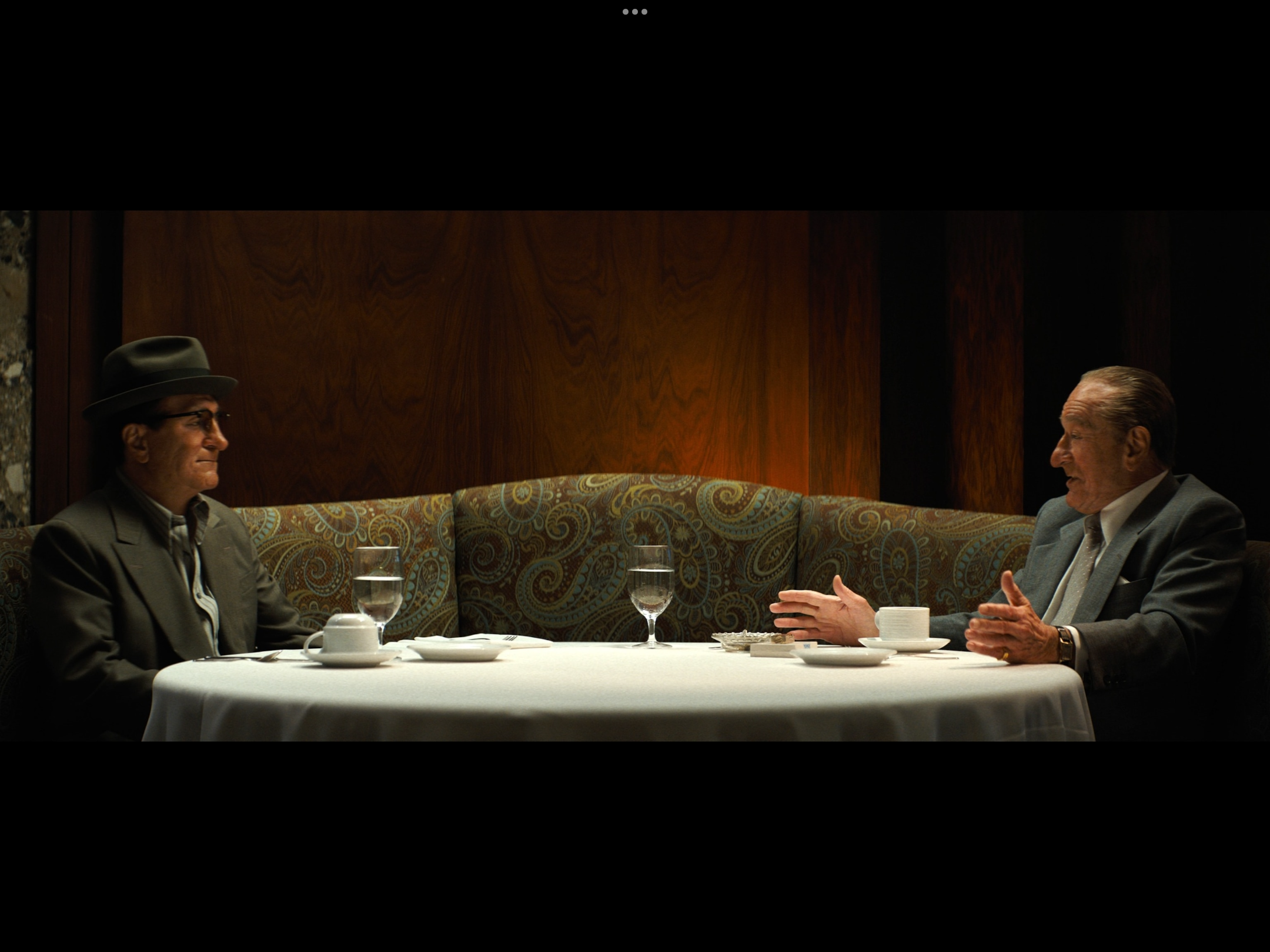
Barry Levinson directs this tired mob drama with all the zest of a rerun, stuffing De Niro into dual roles as real-life mobsters Vito Genovese and Frank Costello. The hook — two De Niros, facing off — should sizzle, but it barely simmers.
Instead, we watch the same old mob clichés: smoky backrooms, smirking consigliere, gunshots in the dark, blood on silk suits. The script by Nicholas Pileggi, adapting his own book Wise Guys, reads like it was dusted off from a 1990s drawer and never updated.
De Niro, an icon of the genre, appears tired here, as if even he knows this double billing is a gimmick. His Genovese stalks around with a stony glare, while his Costello delivers lines with a lazy drawl. There’s no true contrast between the two; both feel like faded echoes of better De Niro performances from Goodfellas and Casino.
The supporting cast fares little better. Debra Messing, Kathrine Narducci, and Cosmo Jarvis drift in and out of scenes without making a dent. Even the period detail, often Levinson’s strength, feels flat — a wax museum of fedoras and speakeasies.
Worst of all, the film drags. Clocking in at two hours, The Alto Knights sags under ponderous voiceover and redundant scenes of mob meetings that fail to escalate tension. Levinson, once a sharp chronicler of American life in Diner and Rain Man, seems lost in this joyless exercise.
Pileggi’s script offers scant insight into the psychology of these men or the shifting dynamics of postwar organized crime. What we get instead is a sepia-toned greatest-hits reel: a hit in the street, a courtroom scene, a wiretap, a betrayal. You can almost hear Scorsese’s editor Thelma Schoonmaker shaking her head at the pacing.
One might argue that The Irishman already served as a swan song for this genre and for De Niro’s mob roles. The Alto Knights feels like an encore no one asked for.
Worse, it misunderstands what made those classics tick: not just violence, but humanity, betrayal, consequence. Here, characters move like chess pieces, with none of the messy life that powered Goodfellas or Donnie Brasco.
The double De Niro conceit is pure marketing, and it shows. Scene after scene leans on split screens and editing tricks, hoping viewers will marvel at the digital wizardry rather than notice the lifeless dialogue.
Audiences deserve more from Levinson, Pileggi, and especially De Niro. They once elevated this genre; here, they cheapen it.
The movie ends, the lights rise, and you wonder — with two De Niros, how did they make a film with no pulse?
One De Niro would have been plenty, if only they’d given him a story worth telling.