Like A Star That Can’t Wait for Night

Champotón It starts with good intentions.
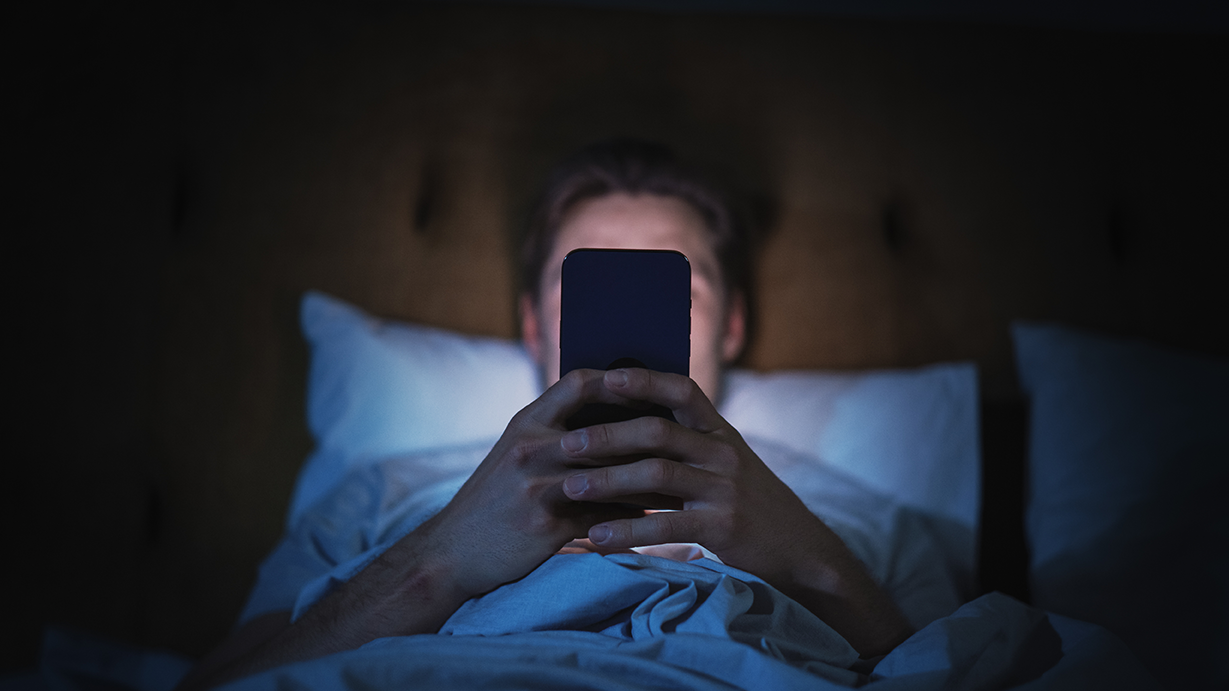
You just want to check the news—see what’s happening in the world. A heatwave in Europe. A new virus strain. Some Supreme Court ruling that feels like a plot twist from “Black Mirror.” You tell yourself: Just five minutes. Just one article.
But an hour later, you’re 42 headlines deep, your jaw is tight, your thumb aches, and the world feels like it’s teetering on the edge of collapse.
Welcome to doomscrolling, the national pastime of the anxious and informed.
Why do we do it? Blame evolution. Humans are wired to seek out threats. In prehistoric times, paying attention to danger was a survival strategy. Those who ignored the tiger in the bushes didn’t get a second chance.
Fast forward a few millennia, and we’re still scanning the horizon—only now it’s a screen, and the tigers are algorithms optimized to trigger panic.
Psychologists call it negativity bias: the tendency to give more weight to bad news than good. That’s why one tragic headline can overshadow ten heartwarming ones. It’s why we read every update about the economy crashing or the planet heating or democracy eroding—but can’t recall a single positive news story from last week.
It’s not just that bad news gets our attention. It feels responsible to keep scrolling. In an age of crisis fatigue, staying informed has become a kind of civic duty.
But there’s a difference between awareness and obsession. Doomscrolling isn’t about gathering useful information. It’s about feeding anxiety under the illusion of control.
The thinking goes: If I just read one more article, maybe I’ll understand it better. Maybe I’ll feel less helpless.
But the opposite happens. The more we scroll, the more powerless we feel.
And that’s by design. Social media algorithms reward emotional engagement—especially outrage, fear, and despair. These platforms don’t care what you’re feeling, as long as you’re feeling something. So they serve up a never-ending buffet of crisis and chaos, one thumb-flick at a time.
The result? A burned-out public. Rising rates of anxiety and depression. A generation that knows how the world ends but struggles to enjoy how it lives.
There’s a solution, but it’s not easy. It starts with recognizing that doomscrolling is not the same thing as being informed. You don’t need to consume misery to be a good citizen.
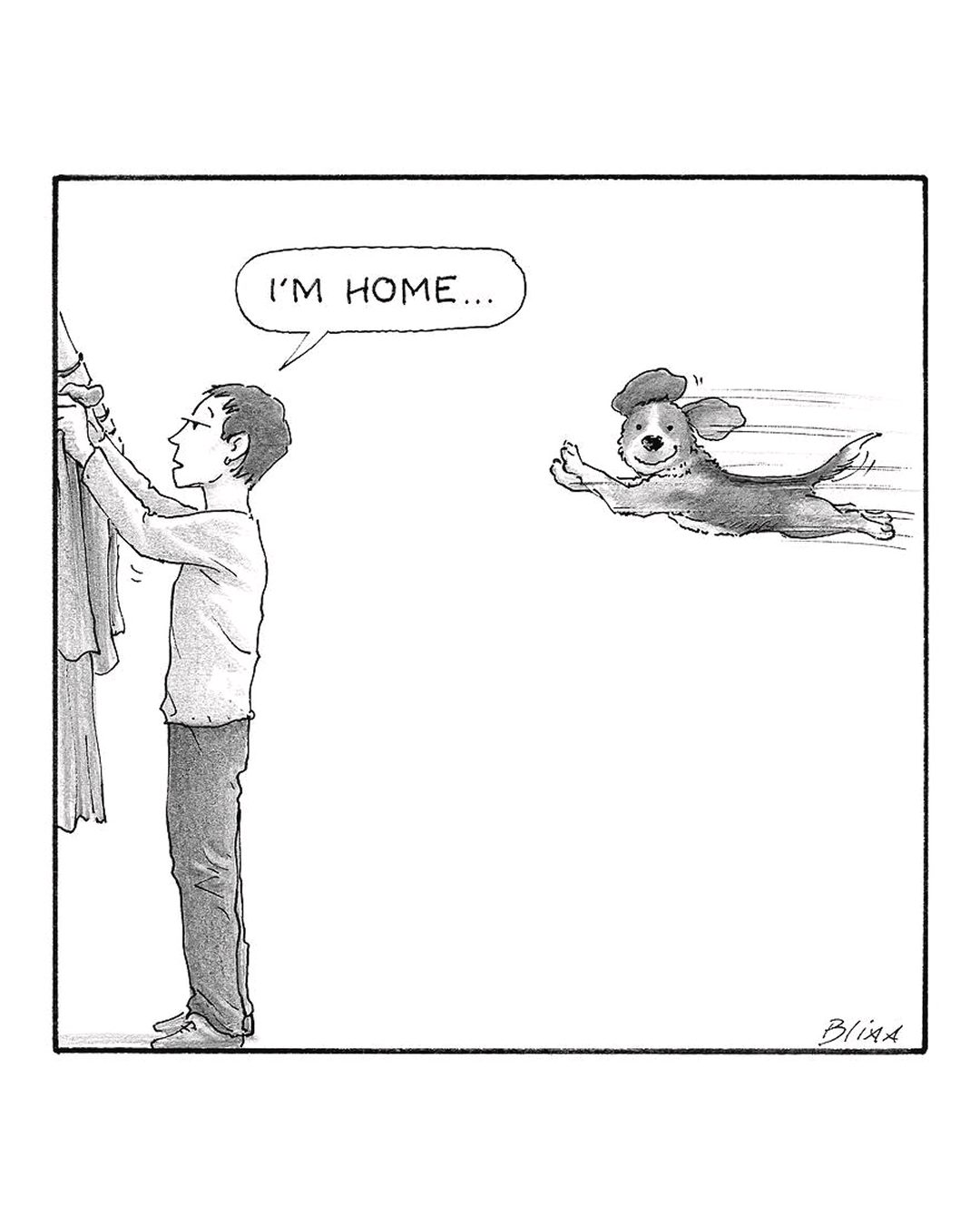
Try reading one in-depth article instead of thirty headlines. Schedule when you check the news, and stop letting it invade your peace at 2 a.m. Touch something real—grass, a dog, a human being. Remember your body. Remember joy.
Because the world isn’t only on fire. It’s also blooming. But you’ll miss the flowers if your eyes are glued to the smoke.