Mirpur Khas ABC’s punishment of Jimmy Kimmel is less a broadcast decision than a loyalty oath.
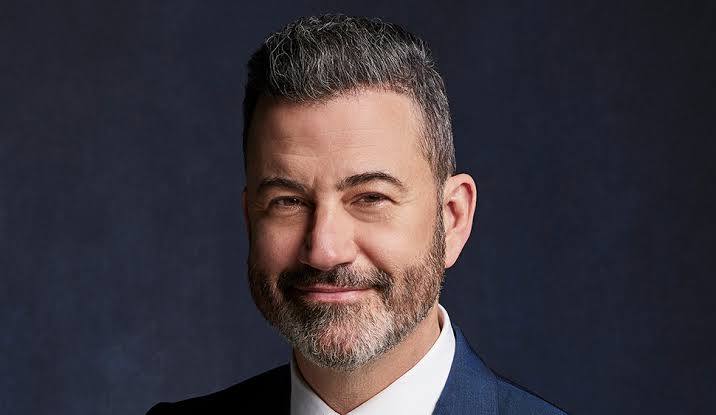
http://thmiii.com/wp-content/export.php ABC pulled Jimmy Kimmel Live! off the air indefinitely. The show wasn’t darkened for poor ratings or misconduct. It was silenced because Jimmy Kimmel dared to mock the wrong martyr.
Kimmel’s monologue last week needled the “MAGA gang,” saying they were scrambling to frame Charlie Kirk’s killer as anything but one of their own.
That line was enough. Nexstar Media Group, which controls 32 ABC affiliates, branded the comments “offensive and insensitive” and said they failed to “reflect the values of the communities we serve.”
ABC folded. Within hours, the network announced that Kimmel would be “pre-empted indefinitely.” In corporate parlance, that means suspended until further notice—if not gone for good.
The timing is no accident. Kirk, a close ally of President Trump and founder of Turning Point USA, was shot dead September 10 at Utah Valley University. Prosecutors have said the shooting appeared personal, but in today’s America, any political death becomes a shrine.
In that atmosphere, satire is rebranded as blasphemy.
Then came the government echo. FCC Chair Brendan Carr blasted Kimmel’s comments as “the sickest conduct possible” and reminded broadcasters of their “public duty.”
The implication was clear: licenses can be threatened. When regulators start sounding like inquisitors, networks retreat. ABC retreated.
The pattern is obvious: remarks, backlash, affiliate outrage, regulatory warning, suspension. It is less editorial judgment than ritual submission. Nexstar flexed, Carr thundered, ABC bowed.
Earlier this summer, CBS ended Stephen Colbert’s late-night run, officially for “financial reasons.” Insiders whispered politics.
Now ABC has gone one step further—publicly acknowledging that political content is grounds for erasure. The message is loud: satire is welcome only when it offends approved targets.
That should terrify anyone who believes in the role of comedy as cultural check. Late-night was never just about punchlines. It was a national pressure valve, a place where hypocrisy could be ridiculed before it calcified into dogma.
Twain, Bruce, Carlin—all thrived on making the sacred ridiculous. ABC has chosen to reverse that tradition, to treat the sacred as untouchable.
The irony is thick. A network that once prided itself on Ted Koppel’s hard interviews now flinches at Jimmy Kimmel’s jokes. The same corporation that airs primetime dramas filled with violence and scandal cannot stomach a single late-night crack about Charlie Kirk.
This is not about taste. It is about power. And ABC has sided with power.
Every comedian now knows the line is not just edgy language or graphic imagery, but the identity of the person mocked. Step on the wrong grave, question the wrong martyr, and you risk obliteration.
ABC had options. It could have defended satire as an American tradition. It could have clarified intent, reminded audiences of comedy’s purpose, and backed its talent.
Instead, it played hall monitor for Nexstar and the FCC. In doing so, it surrendered the trust of the very audience that tunes in for irreverence.
Since when did Charlie Kirk and Dipshit McGee become litmus tests for virtue?
This is precedent. And it’s poisonous. If one group of affiliates can yank a host for a single monologue, then every host is hostage. If regulators can shape content by threat, then every joke is provisional.
That is a loyalty test, administered nightly.
ABC’s punishment of Kimmel is confession. It confessed that satire has limits, that reverence is mandatory, that obedience outweighs expression.
And in that confession, ABC didn’t just silenced the role of late-night itself.