buy generic disulfiram Mandalay The Enemy of My Enemy
Haley Stevens represents the fear I have carried since 2016: that Americans will make common cause with an enemy if they believe that enemy will hurt someone else more.
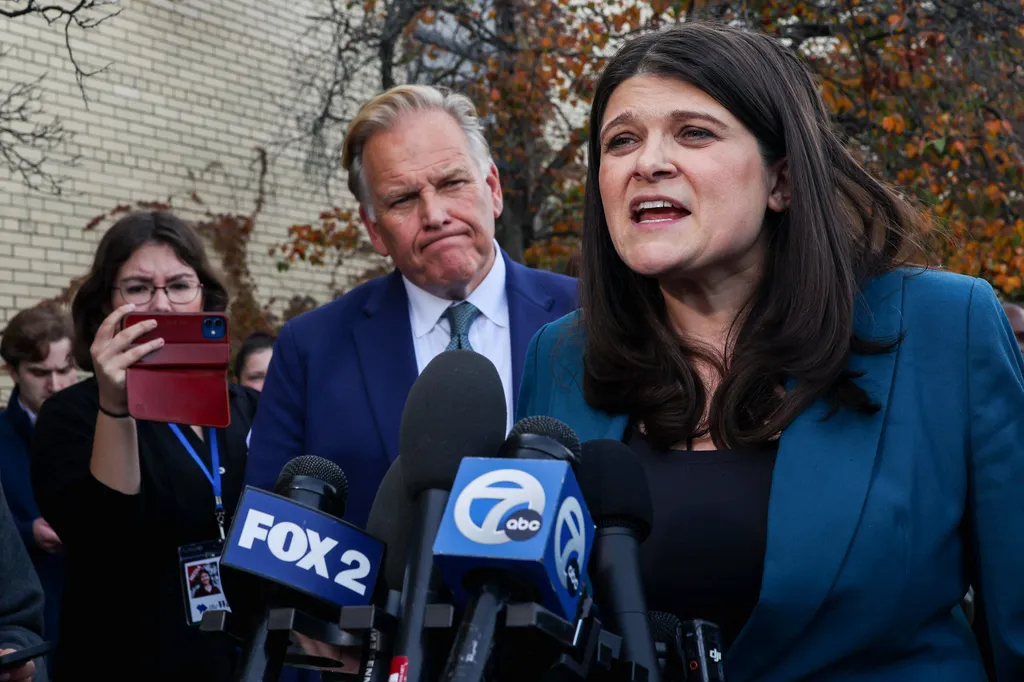
Stevens lost Michigan’s Democratic Senate primary to Abdul El-Sayed. Then, two days before Election Day, she endorsed Republican Mike Rogers, the man running against him.
She said El-Sayed had told her to stay away from his campaign. Their dispute grew out of an outside group’s ad linking U.S. aid to Israel with rising grocery prices. Stevens called it antisemitic. El-Sayed’s campaign disavowed the ad and said he rejected its contents.
That objection deserves a serious response. But Stevens’s endorsement turned a dispute over one ad into a gift to the Republican trying to defeat her party’s nominee.
Rogers has backed sweeping abortion restrictions and recently boasted to a conservative Christian radio host of his “100% pro-life rating” in Congress.
The bargain is older than this race. My father grew up in the South, and when I was a boy he told me how racial resentment often arrived dressed as a complaint about Black people receiving welfare. The language changes. The grievance finds a new suit.
Today, politicians dress suspicion in the language of national security and election integrity. Since 2016, Donald Trump has made that old politics louder and more visible, but he did not invent it. For decades, Republicans have built power by turning racial grievance and fear of social change into political weapons.
The twist is that the enemy of my enemy becomes my friend, especially when I believe that enemy hurts someone else more than it hurts me. A grievance can feel like a moral emergency. It can make a person overlook the damage done to people with less power.
I can’t know Stevens’s private motives. I can see the choice she made. She crossed party lines to back a candidate whose politics threaten women’s reproductive freedom, after a bitter fight with the Democrat who beat her.
That is what surrender to the patriarchy can look like. It does not always arrive as a demand from a man. Sometimes it comes through a woman deciding that the fight she has with one opponent matters more than the power she hands to another.
This is bigger than one bruising primary or one disputed ad. When every grievance becomes permission to empower the people who will do the most harm to someone else, the rest of us become collateral.
The enemy of your enemy can still become your jailer.